Microdermabrasion: What Is It and How Does It Work?
Microdermabrasion can be an effective option for addressing dull skin, rough texture, and clogged pores that may be difficult to fully improve with skincare products alone. But before choosing the treatment, it is important to understand how it works and whether it can actually deliver the results you are looking for.
If you are considering microdermabrasion in Malaysia, this guide covers its potential benefits, suitable skin concerns, what to expect during and after a session, and the key factors to consider before deciding whether the treatment is right for your skin.
Table of Contents
ToggleWhat Is Microdermabrasion?
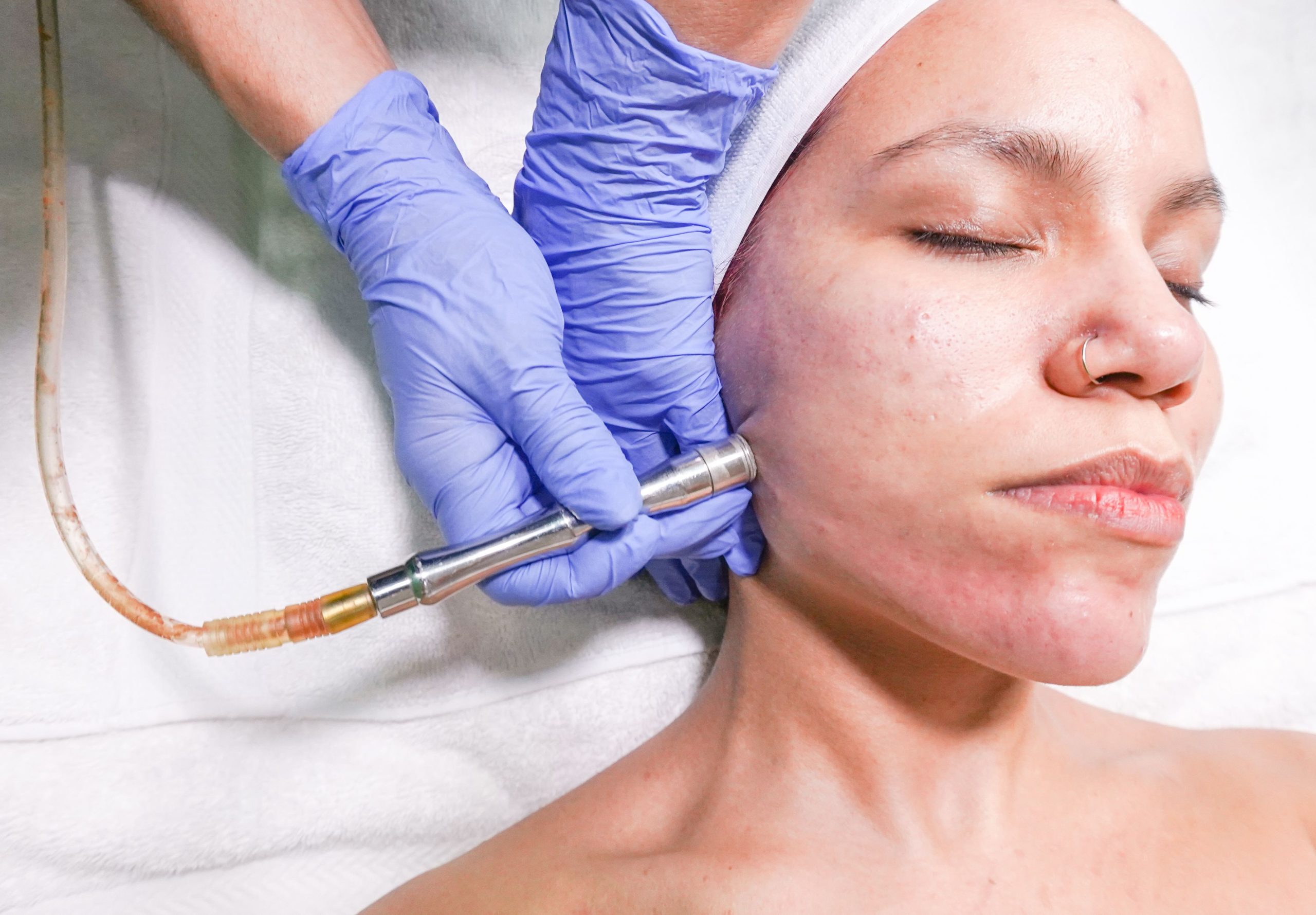
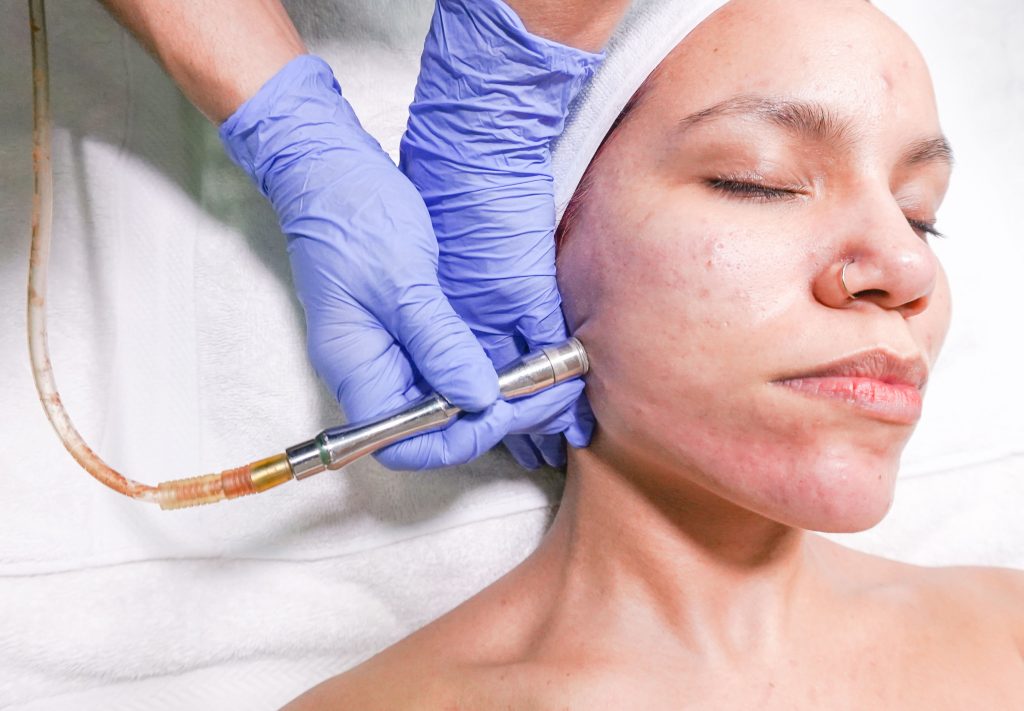
Microdermabrasion is a non-invasive skin treatment that mechanically exfoliates the outermost layer of the skin, known as the stratum corneum. A handheld device is used to gently abrade or vacuum away dead skin cells from the skin’s surface.
Unlike microneedling, microdermabrasion does not create punctures in the skin. Instead, it works purely on the surface layer, physically buffing away dull, dead skin cells and impurities.
This treatment does not change facial features or address deeper skin structures. It is mainly used to improve surface texture, brightness, and the appearance of superficial pores and marks. Treatment intensity can be adjusted according to skin sensitivity and the area being treated.
How Does Microdermabrasion Work?
This treatment works through controlled mechanical exfoliation. Depending on the device used, this may involve a stream of fine crystals, a diamond-tipped wand or a suction-based tip that is passed over the skin.
As the device moves across the skin, it lifts away dead skin cells from the surface. Many devices also use gentle suction to draw out debris from the pores at the same time.
This surface-level renewal can leave the skin looking brighter and feeling smoother almost immediately. Because it only affects the outermost skin layer, it does not stimulate deep collagen remodeling in the same way that microneedling does, so its effects are generally more surface-focused.
Microdermabrasion vs Microneedling
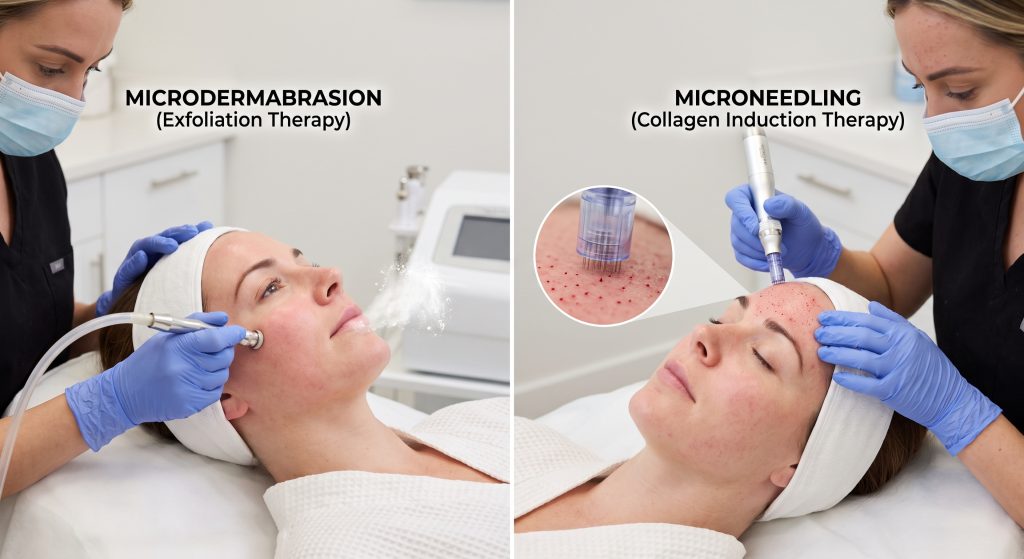
Both treatments aim to improve skin texture and appearance, but they work in very different ways.
Microdermabrasion works only on the surface of the skin, physically exfoliating dead skin cells without breaking the skin. It is generally gentler, with little to no downtime.
Microneedling, on the other hand, creates controlled micro-injuries beneath the skin’s surface to stimulate collagen production. This makes it more suited to concerns that require deeper structural change, such as acne scars or fine lines.
For people looking for a quick refresh in skin brightness and texture, microdermabrasion may be a more suitable option, while microneedling may offer a more targeted approach for deeper concerns, depending on individual skin condition and treatment goals.
What Can Microdermabrasion Help With?
This treatment may be considered for several skin concerns, including:
1. Dull or Uneven Skin Tone
Removing built-up dead skin cells can help reveal brighter, more even-looking skin underneath.
2. Rough or Congested Skin Texture
The exfoliating action can help smooth out rough patches and improve overall skin texture.
3. Clogged or Congested Pores
Suction-based devices can help draw out surface debris and oil, which may make pores appear less congested.
4. Superficial Fine Lines
Regular surface exfoliation may soften the appearance of very fine, superficial lines, though it does not address deeper wrinkles.
5. Mild Sun Damage and Superficial Marks
By removing the outer layer of dull skin, the treatment may help improve the appearance of mild surface discoloration over time.
6. Uneven Skincare Product Absorption
Removing dead skin buildup may also help skincare products absorb more effectively afterward. Results vary according to the type and severity of the concern. Some concerns respond well to this treatment alone, while deeper concerns may require a different treatment or a combination approach.
Who Is Suitable for Microdermabrasion?
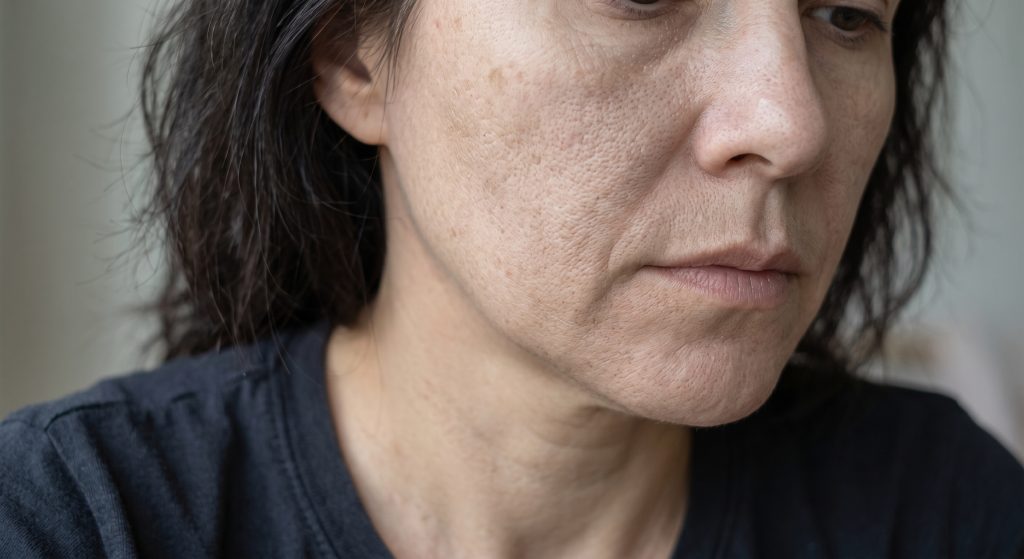
Microdermabrasion may be suitable for people who want to improve dullness, rough texture, congested pores, or very superficial fine lines and marks.
It may be considered for individuals looking for a low-downtime treatment with a quick refresh in skin appearance, rather than significant structural change.
A proper skin assessment is important because the most suitable treatment depends on the skin concern, its severity, and your overall skin condition.
Is Microdermabrasion Worth It?
Microdermabrasion may be worth considering if you want a gentle, low-downtime way to improve dullness, rough texture, and congested pores.
It is particularly suited to people who want a quick refresh before an event, or who are looking to maintain skin brightness between more intensive treatments.
This treatment may be less suitable if you are trying to address deeper concerns such as acne scars, significant pigmentation or skin laxity, as these usually require treatments that work beneath the skin surface. The right treatment depends on what you are trying to improve and the condition of your skin.
What Happens During Microdermabrasion Treatment?
A typical microdermabrasion treatment involves several steps:
- Skin assessment: Your doctor will assess your skin condition, treatment area, and concerns to determine the most suitable approach.
- Skin preparation: The skin is cleansed to remove makeup, oil, and surface debris before treatment begins.
- Microdermabrasion treatment: A handheld device is passed over the skin to exfoliate dead skin cells, often combined with gentle suction to draw out impurities from the pores.
- During the procedure: Most patients describe the sensation as a mild scratching or vacuum-like feeling rather than pain.
- After treatment: The skin may appear slightly pink and feel smooth. Your doctor will advise suitable aftercare based on your skin’s response.
How Long Does Microdermabrasion Take?
Each session usually takes around 30 to 45 minutes, depending on the treatment area and skin concern.
The appointment may include skin assessment, cleansing, and the procedure itself, sometimes combined with a hydrating mask or serum application afterward.
What to Expect After Microdermabrasion
After treatment, mild redness, slight sensitivity, and tightness are common. Some people may also notice slight dryness on the first day or two.
Immediately after treatment: The skin may look slightly pink and feel smooth to the touch.
First few days: Any redness or sensitivity typically settles quickly, and most people can resume their normal routine straight away.
Following days: The skin may continue to feel smoother and appear brighter as surface renewal continues.
During recovery, keep skincare gentle, apply sunscreen diligently, avoid harsh exfoliants for a few days, and follow any specific aftercare advice from your doctor.
When Will You See Microdermabrasion Results?
Results are often visible almost immediately after treatment, with skin appearing brighter and feeling smoother right away.
For ongoing concerns such as texture and congestion, a course of sessions is usually needed to see more noticeable, cumulative improvement over time.
How Many Microdermabrasion Sessions Do You Need?
Many patients have microdermabrasion as a course of regular sessions, often spaced around 2 to 4 weeks apart, although the exact frequency depends on skin type, concern and treatment goals.
Some people also choose it as an occasional standalone treatment for a quick skin refresh rather than a structured course.
Your doctor can recommend an appropriate treatment schedule after assessing your skin condition and goals.
How Long Do Microdermabrasion Results Last?
Because microdermabrasion works on the surface layer, results are generally more short-term compared to treatments that stimulate deeper collagen remodeling.
With proper sun protection and a consistent skincare routine, you can help maintain smoother, brighter-looking skin between sessions. Many patients choose regular maintenance treatments to sustain results over time.
Is Microdermabrasion Painful?
The treatment is generally well tolerated and is not typically described as painful.
Most patients describe the sensation as a mild scratching, vibration, or vacuum-like pulling rather than discomfort. Numbing cream is not usually required, as the treatment only affects the surface of the skin.
What Are the Possible Side Effects of Microdermabrasion?
Common side effects include mild redness, slight sensitivity, and temporary dryness. These usually settle within a day or two.
Less common risks may include irritation, tiny pinpoint bruising or, in sensitive individuals, temporary changes in pigmentation. Proper technique and appropriate aftercare can help reduce these risks.
Who May Not Be Suitable for Microdermabrasion?
This treatment may not be suitable if you have active acne breakouts, an active skin infection, sunburn, very sensitive or compromised skin, or certain skin conditions such as active eczema or rosacea flare-ups.
People with these conditions, or those unsure whether their skin is suitable, should consult a doctor before treatment.
How Much Does Microdermabrasion Cost in Malaysia?
In Malaysia, microdermabrasion typically costs around RM200 to RM600 per session, depending on the clinic, device used, treatment area, and whether it is combined with other treatments such as a facial or serum infusion.
For current microdermabrasion treatment prices at Dr Ko Skin Specialist, contact our customer service for an assessment and quotation.
Why a Proper Skin Assessment Matters
Two people may have similar-looking dull or congested skin but require different treatment approaches.
For example, dullness may be related to dead skin build-up, dehydration, sun damage or an underlying skin condition, while congested pores can stem from oil production, comedones, or deeper acne concerns.
A proper assessment helps identify the cause of the concern and whether microdermabrasion is likely to provide meaningful improvement, or whether another treatment or combination approach may be more suitable.
Microdermabrasion at Dr Ko Skin Specialist
At Dr Ko Skin Specialist, we perform microdermabrasion after a proper medical assessment, tailoring treatment intensity to your skin type and concerns.
Our doctors can advise whether microdermabrasion, microneedling, or another treatment approach is more suitable for the outcome you are looking for.
The most suitable treatment approach always depends on your skin condition and the results you want to achieve. With 93 branches across Malaysia, you can book a skin assessment at the Dr Ko Skin Specialist branch nearest to you.
Conclusion
Microdermabrasion is a non-invasive exfoliation treatment that removes dead skin cells to reveal smoother, brighter-looking skin. It may help improve dullness, rough texture, congested pores, and superficial fine lines or marks.
If you’re considering microdermabrasion in Malaysia, the key things to understand are whether it suits your skin, how it compares to other exfoliation or resurfacing treatments, how many sessions you may need, and what results you can realistically expect.
At Dr Ko Skin Specialist, our doctors can assess your skin and recommend whether microdermabrasion or another treatment approach is more suitable for you.
Frequently Asked Questions About Microdermabrasion
1. How does microdermabrasion work?
Microdermabrasion uses a handheld device to mechanically exfoliate the outermost layer of dead skin cells, often combined with suction to draw out surface debris from the pores.
2. What should I expect after microdermabrasion?
Mild redness, slight sensitivity, or temporary dryness may occur after treatment. These effects usually settle within a day or two, and skin often appears brighter right away.
3. Is microdermabrasion worth it?
Microdermabrasion can be worth considering for dullness, rough texture and congested pores, especially for those wanting a low-downtime treatment or a quick refresh in skin appearance.
4. How many microdermabrasion sessions do I need?
Many patients have a course of sessions spaced around 2 to 4 weeks apart, although this depends on skin type, concern and treatment goals.
5. How long does microdermabrasion take to work?
Skin often looks brighter and feels smoother immediately after treatment, while cumulative improvement in texture and congestion may build with regular sessions.
6. How long do microdermabrasion results last?
Because it works on the skin surface, results are generally shorter-lasting than deeper treatments, and regular maintenance sessions may help sustain results.
7. Can microdermabrasion reduce large pores?
Microdermabrasion may help pores appear less congested by removing surface debris, but it does not address the structural causes of enlarged pores in the way deeper treatments can.
8. Is microdermabrasion suitable for darker skin tones?
Yes, microdermabrasion can generally be considered for different skin tones. However, treatment intensity should be tailored to the individual, and those prone to pigmentation changes should be assessed carefully beforehand.
9. What is the difference between microdermabrasion and microneedling?
Microdermabrasion exfoliates only the surface of the skin without breaking it, while microneedling creates controlled micro-injuries beneath the surface to stimulate collagen production. The right choice depends on your skin concern and goals.
10. Is microdermabrasion painful?
No, microdermabrasion is generally well tolerated. Most patients describe the sensation as a mild scratching or vacuum-like feeling rather than pain.
11. How much does microdermabrasion cost in Malaysia?
Microdermabrasion in Malaysia typically costs around RM200 to RM600 per session, depending on the clinic, device used, treatment area, and whether it is combined with other treatments.