Cystic and Nodular Acne: Causes, Symptoms & Doctor-Led Treatment
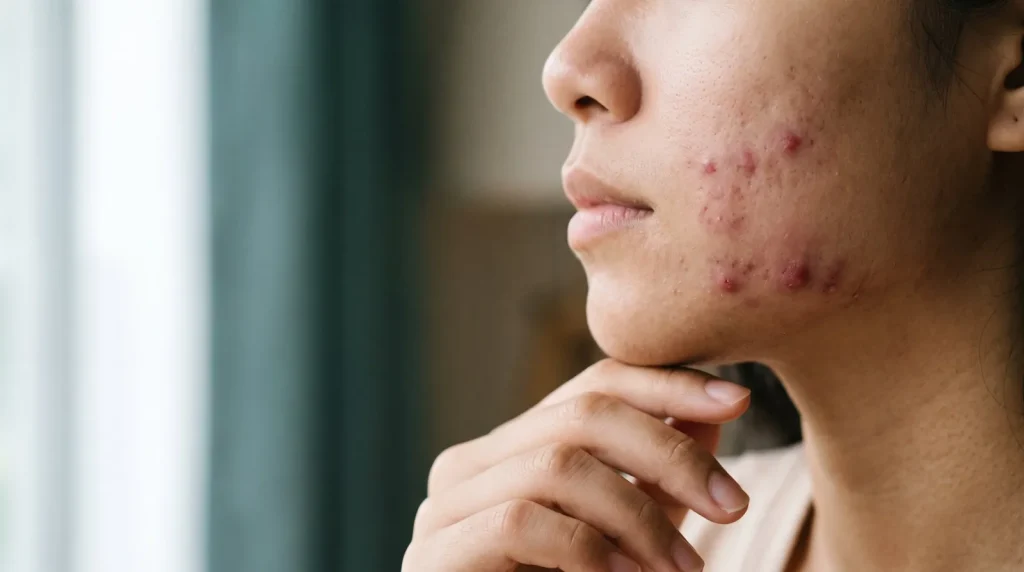
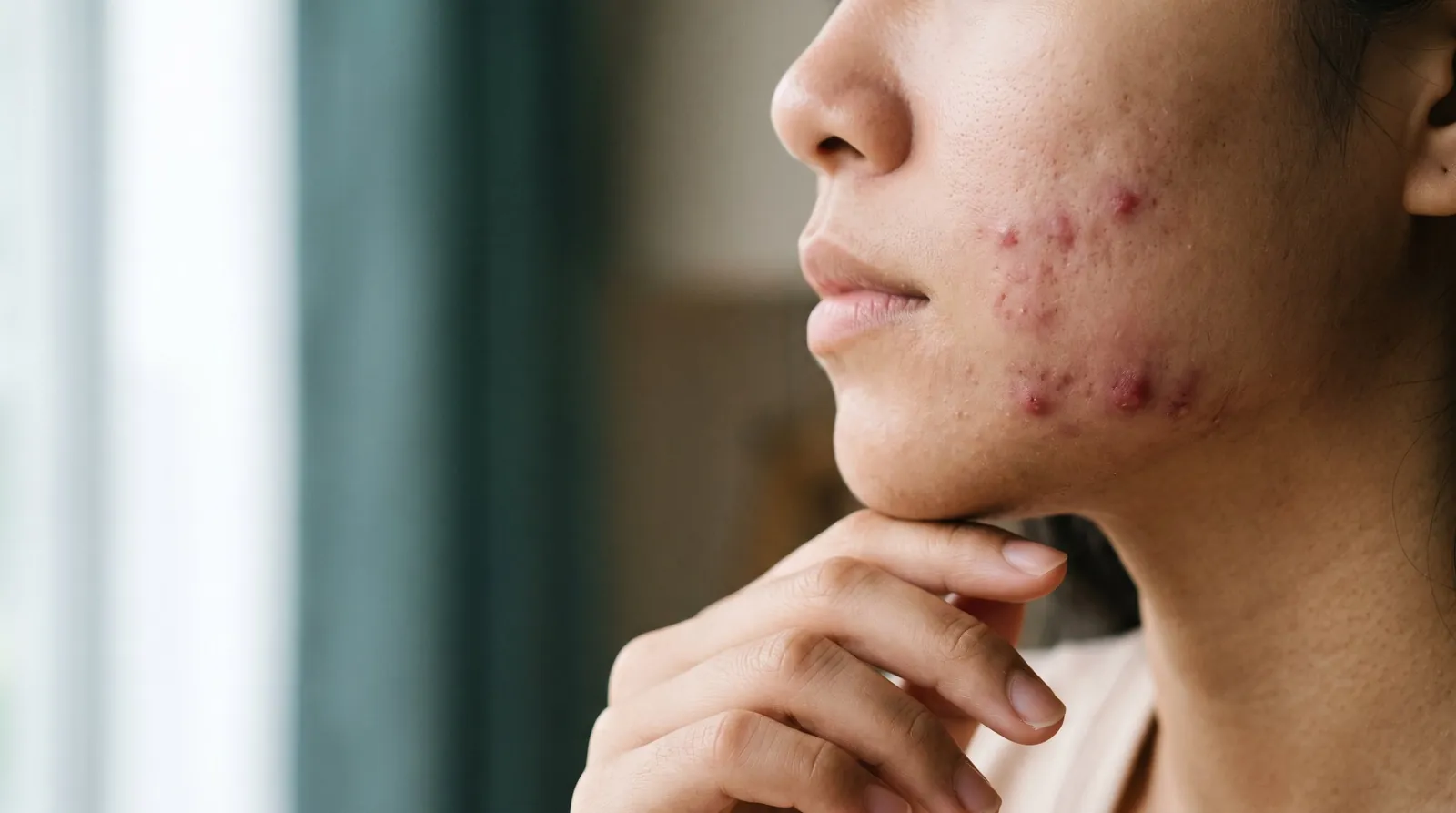
Cystic acne and nodular acne are severe forms of inflammatory acne. Unlike small whiteheads or blackheads near the skin surface, they develop deep beneath the skin, forming large, painful lumps that can persist for weeks and may leave permanent scars.
Because these lesions involve deeper layers of the skin, over-the-counter acne products alone may not be sufficient to treat them effectively. Medical assessment and appropriate treatment by a doctor are important to help control inflammation and reduce the risk of scarring.
This guide explains what cystic and nodular acne are, what causes them, how they differ from ordinary pimples, and which treatments a doctor may recommend to bring them under control and reduce the risk of scarring.
What is cystic acne?
Cystic acne is a type of inflammatory acne in which a clogged pore ruptures deep inside the skin. Oil, dead skin cells and bacteria spill into the surrounding tissue, and the body responds with intense inflammation. The result is a soft, pus-filled lump under the skin, usually larger than a pea, that feels tender or sore to the touch.
Nodulocystic acne refers to a severe form of acne in which deep, painful nodules and cysts may occur together. The difference is in how the lesion feels:
Nodules
Hard, solid lumps beneath the skin. They contain little or no pus and can persist for weeks.
Cysts
Softer and filled with pus. They are more likely to burst and spread inflammation.
Many people have both at the same time, most commonly on the face, jawline, chest, back and shoulders.
Is a blind pimple the same as cystic acne?
A blind pimple is the everyday name for a painful bump under the skin that has no visible head. A blind pimple is a general term for a painful bump beneath the skin and does not necessarily mean it is a cyst or nodule. If you experience recurring deep, painful bumps, especially in clusters or with pitted scarring, it is worth having your skin assessed by a doctor.
Cystic acne vs other types of acne
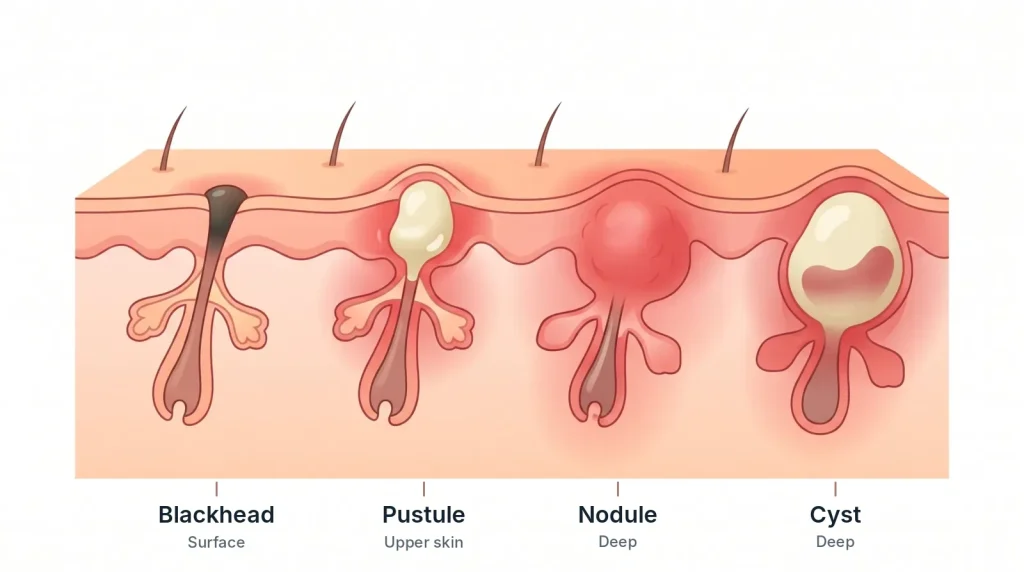
| Type | Depth | How it looks and feels | Scarring risk |
|---|---|---|---|
| Blackheads and whiteheads | Surface (in the pore) | Small, painless dark or white bumps | Low |
| Papules and pustules | Upper skin | Red, tender bumps; pustules have a white or yellow tip | Low to moderate |
| Nodules | Deep | Firm, painful lumps deep beneath the skin, usually without a visible head | High |
| Cysts | Deep | Soft, fluid-filled or pus-filled, painful lumps deep beneath the skin | High |
What causes cystic acne?
Cystic acne develops from the same four processes as all acne, but they happen more intensely and deeper in the skin:
- Excess oil (sebum). Oil glands that produce more sebum make pores more likely to clog.
- Clogged pores. Dead skin cells build up and block the hair follicle.
- Bacteria. Cutibacterium acnes, a bacterium that normally lives on the skin, multiplies inside the blocked follicle.
- Inflammation. Inflammation develops around the blocked follicle, sometimes causing the follicle wall to rupture and leading to deep, painful lesions.
Several factors make this more likely:
- Hormones. Androgens such as testosterone increase oil production. This is why cystic acne often starts in the teenage years and why flares can follow the menstrual cycle. Persistent breakouts along the jaw and chin in adult women may be associated with hormonal changes or conditions such as polycystic ovary syndrome (PCOS).
- Genetics. Severe acne tends to run in families. If a parent had cystic acne, your risk is higher.
- Certain medications. Corticosteroids, some hormonal treatments and a few other medicines can trigger acne-like breakouts.
- Heat, humidity and sweat. Heat and humidity may worsen acne, while heavy, occlusive products and prolonged sweating can contribute to clogged pores, especially on the back and chest.
- Squeezing and picking. Squeezing or picking deep acne lesions can worsen inflammation, delay healing and increase the risk of scarring.
Stress and diet may play a smaller role for some people. High-glycaemic foods and dairy have been linked to acne in some studies, but the effect varies from person to person and diet alone rarely causes or cures cystic acne.
Why cystic acne needs medical treatment
Most over-the-counter acne products, such as salicylic acid cleansers and pimple patches, work on the surface of the skin. They can help blackheads, whiteheads and small pustules, but they may be less effective for deep inflammation associated with cystic acne.
Leaving cystic acne untreated carries two main risks:
- Permanent scarring. Deep inflammation can damage the skin’s supporting structures, increasing the risk of permanent acne scars, including ice pick, boxcar and rolling scars.
- Dark marks. Post-inflammatory hyperpigmentation (PIH) is common, particularly in darker skin tones, and can persist for months after an acne lesion heals.
The earlier cystic acne is treated, the fewer scars it leaves. If you have painful lumps that keep coming back, a doctor’s assessment is the most direct route to clearer skin.
How doctors treat cystic and nodular acne
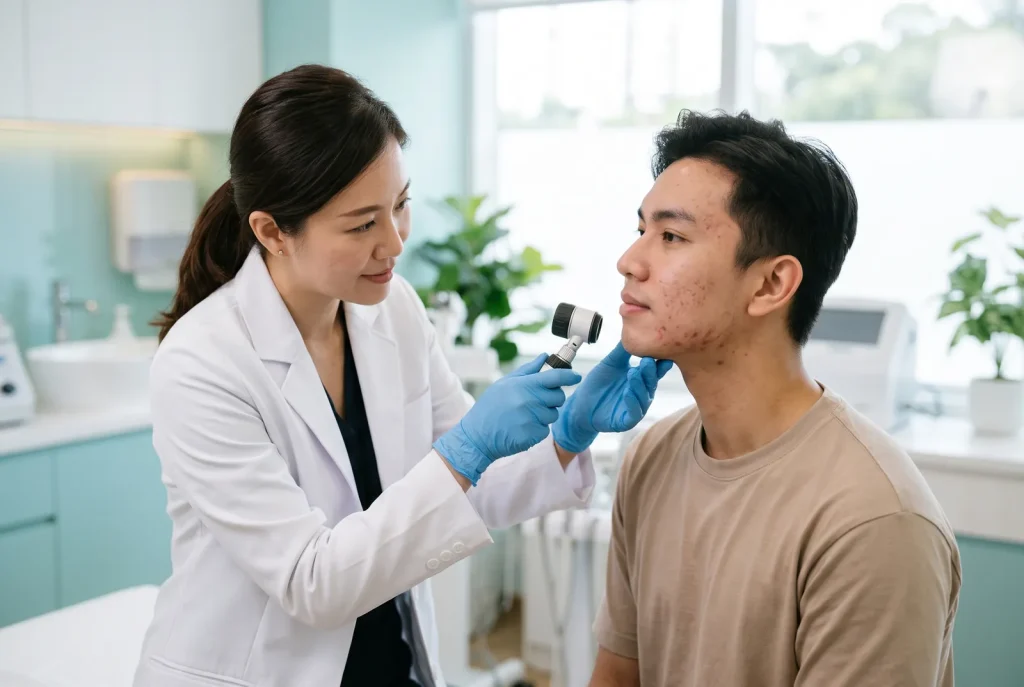
Treatment depends on how severe the acne is, where it appears, your skin type, and whether hormones are involved. At Dr Ko Skin Specialist, treatment plans are tailored to each patient’s condition and may involve a combination of different approaches.
Oral isotretinoin
Isotretinoin is a vitamin A derivative and one of the most effective treatments for severe nodulocystic acne. It shrinks the oil glands, reduces oil production and lowers inflammation, and for many people it produces long-lasting clearance after a full course, usually taken over several months.
Isotretinoin is a prescription-only medicine. It needs medical supervision because it can cause dry skin and lips, raised cholesterol or liver enzymes, and serious birth defects if taken during pregnancy. Women of childbearing age need reliable contraception and pregnancy testing while on treatment. Your doctor will arrange appropriate blood tests, including liver function and lipid tests, along with regular follow-up appointments to monitor your response and potential side effects.
Isotretinoin must not be used during pregnancy due to the risk of serious birth defects. Patients who can become pregnant must follow strict pregnancy prevention measures and undergo appropriate pregnancy testing before and during treatment.
Oral antibiotics
Antibiotics such as doxycycline reduce bacteria and calm inflammation. They are usually prescribed for a limited period, combined with a topical treatment such as benzoyl peroxide or a retinoid to lower the risk of antibiotic resistance.
Hormonal therapy
For women whose acne flares with their cycle or sits along the jaw and chin, hormonal treatment can help. Options include certain combined oral contraceptive pills and spironolactone, which blocks the effect of androgens on the oil glands. A doctor may suggest hormone tests if PCOS or another condition is suspected.
Corticosteroid injections
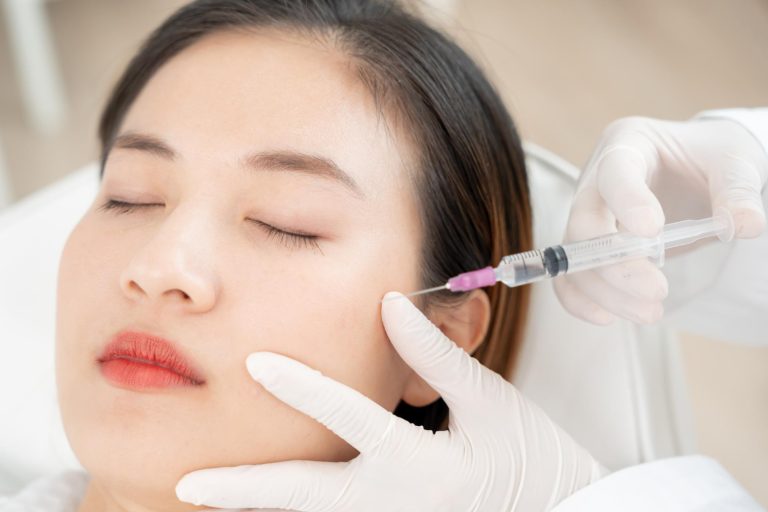
A very dilute corticosteroid injected directly into a large, painful cyst or nodule can flatten it within a few days. This is useful for a single lesion that needs to settle quickly, but it treats one spot at a time and does not prevent new ones.
Topical treatments
Prescription retinoids (such as tretinoin or adapalene), benzoyl peroxide and azelaic acid are used alongside oral treatment to keep pores clear and help prevent new lesions. On their own, they are rarely enough for cystic acne.
In-clinic procedures
Some procedures can support medical treatment once active inflammation is under control:
- Incision and drainage of a large, fluctuant acne lesion, performed by a qualified doctor under sterile conditions when clinically appropriate.
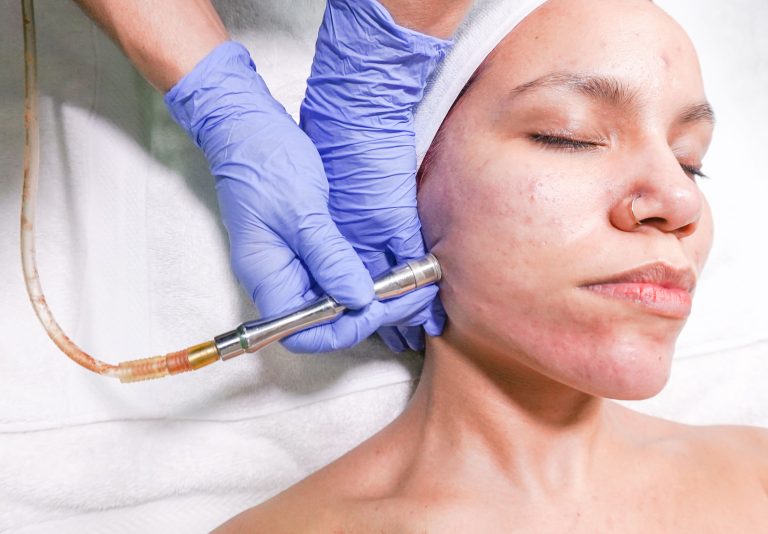
- Chemical peels to help unclog pores and fade dark marks.
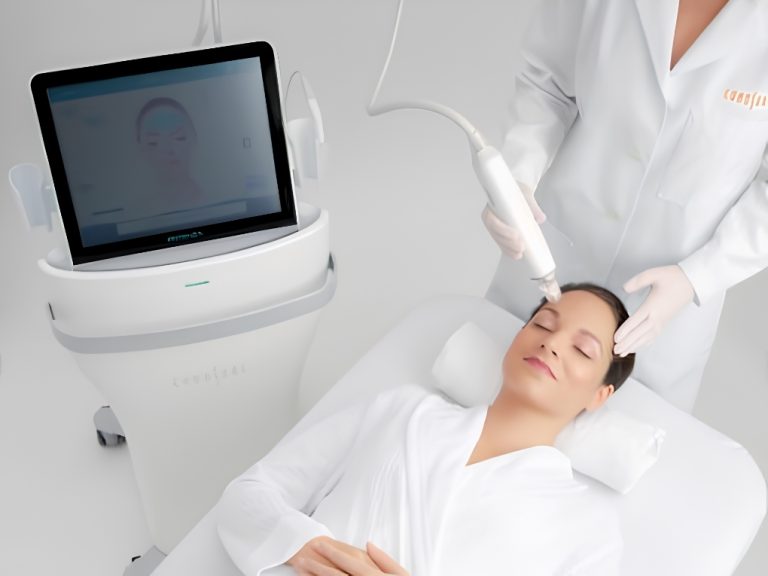
- Laser and light-based treatments may help reduce acne-related redness and inflammation. Certain procedures may also be considered for acne scars once active acne is under control.
See the full range of options on our acne treatment page.
Caring for your skin during treatment
Good daily habits will not cure cystic acne, but they support medical treatment and reduce irritation:
- Wash your face twice daily with a gentle, non-abrasive cleanser. Harsh scrubs make inflammation worse.
- Use a light, non-comedogenic moisturiser, especially if you are on isotretinoin or a retinoid.
- Apply a broad-spectrum sunscreen every morning to stop dark marks from deepening.
- Do not squeeze, pick or try to pop deep lumps.
- Shower and change out of sweaty clothes soon after exercise if you get acne on your back or chest.
- Give each treatment time. Most acne treatments take 8 to 12 weeks to show a clear improvement.
When to see a doctor
Book an assessment if you notice any of the following:
- Painful lumps under the skin that last more than a week or keep returning in the same area
- Acne that has not improved after two to three months of over-the-counter products
- New scars, pitted marks or dark patches where pimples have healed
- Acne on the back, chest or shoulders as well as the face
- Breakouts alongside irregular periods, excess hair growth or sudden weight change
- Acne that is affecting your confidence, mood or daily life
A doctor can confirm whether you have cystic acne, nodular acne or another condition that looks similar, such as folliculitis, a boil or hidradenitis suppurativa, and recommend a treatment plan suited to your skin.
Get a personalized treatment plan at Dr Ko Skin Specialist
Cystic and nodular acne respond best to treatment that targets the cause deep in the skin. If painful lumps under the skin keep coming back, our doctors can assess your skin, explain your options and build a plan to clear active breakouts and reduce the risk of scarring.
This article is for general information and does not replace a consultation with a qualified doctor. Treatment suitability varies from person to person.
Frequently asked questions
Can cystic acne go away on its own?
Individual cysts may settle on their own over several weeks, but cystic acne as a condition tends to keep recurring without treatment. Each untreated lesion also raises the risk of a permanent scar.
Should I pop a cystic pimple?
No. A cyst sits too deep to drain properly by squeezing. Pressing on it pushes infected material further into the skin, increases inflammation and makes scarring more likely. A doctor can drain or inject a large cyst safely if needed.
How long does cystic acne take to clear with treatment?
Most people see improvement within two to three months of starting a treatment plan. A course of isotretinoin usually lasts several months, and your doctor will adjust the plan as your skin responds.
What is the difference between cystic acne and hormonal acne?
Hormonal acne describes the cause, while cystic acne describes the type of lesion. Hormonal acne often appears along the jawline and chin and flares with the menstrual cycle, and it can include cysts and nodules. Treating the hormonal trigger is often part of controlling it.
Can cystic acne scars be treated?
Yes. Once active acne is under control, scars can be improved with treatments such as subcision, fractional laser, microneedling and chemical peels. Getting acne treated early is still the best way to limit scarring.